
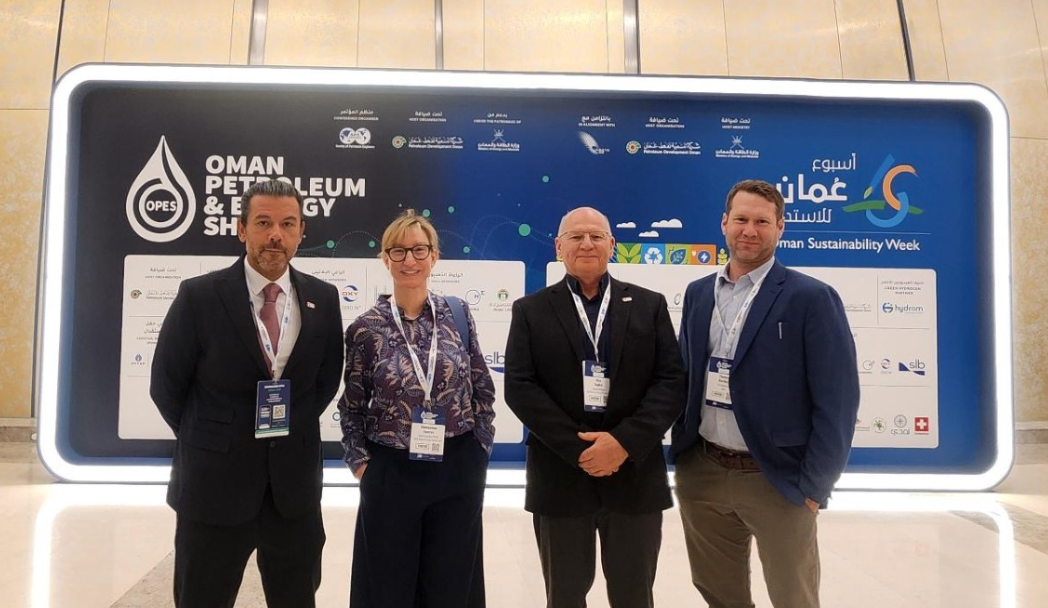
Amr Hassan, GERI’s Business Development Director (EMEA & Asia) knows the energy landscape in the Middle East well, having worked in the industry, and lived in the region, for much of his career. We asked Amr to give us an overview of how the Middle East, despite its vast oil reserves and energy industry, is on a mission to reach Net Zero.
GERI: The need to reduce greenhouse gas emissions (GHG) is reshaping the conversation around how oil is produced, in particular emissions-intensive thermal enhanced oil recovery (EOR). How is the Middle East rising to the challenge?
Amr: With global scrutiny on GHG emissions intensifying, Middle Eastern oil companies are not just adapting; they’re innovating to align heavy oil operations with ambitious decarbonization targets.
GERI is a company of interest in the region because steam injection remains central to EOR as it reduces viscosity for better flow, and steam and flue gas co-injection has the potential to reduce emissions — which is key to meeting ambitious Net Zero targets.
Most countries—Saudi Arabia, Iraq, UAE, Kuwait, Oman, Qatar, and Bahrain—are signatories of the Paris Agreement, pledging to limit global warming to below 2°C above pre-industrial levels.
The region’s heavy oil producers have, for the most part, made major Net Zero commitments. They are following through on their strategies and results are evident.
GERI: Who are the leaders in the Middle East for reserves and heavy oil production?
Amr: Everyone knows the area holds immense heavy oil potential, with reserves estimated at 1 trillion barrels—which is about a third of the global total.
The region’s top state-owned resources in place and producers in the Middle East are: the Kingdom of Saudi Arabia (Saudi Aramco), Iraq (Iraq National Oil Company), the United Arab Emirates (Abu Dhabi National Oil Company), Iran (National Iranian Oil Company), Kuwait (Kuwait Petroleum Corporation). These are all members of OPEC. Oman is the largest non-OPEC oil producer in the Middle East.
The Gulf Cooperation Council (GCC) includes Bahrain, Kuwait, Oman, Qatar, Saudi Arabia and the United Arab Emirates (UAE). Bahrain produces the least in the GCC with 267,000 barrels per day (bpd). By contrast, nearby Qatar produces 1.5 million bpd.
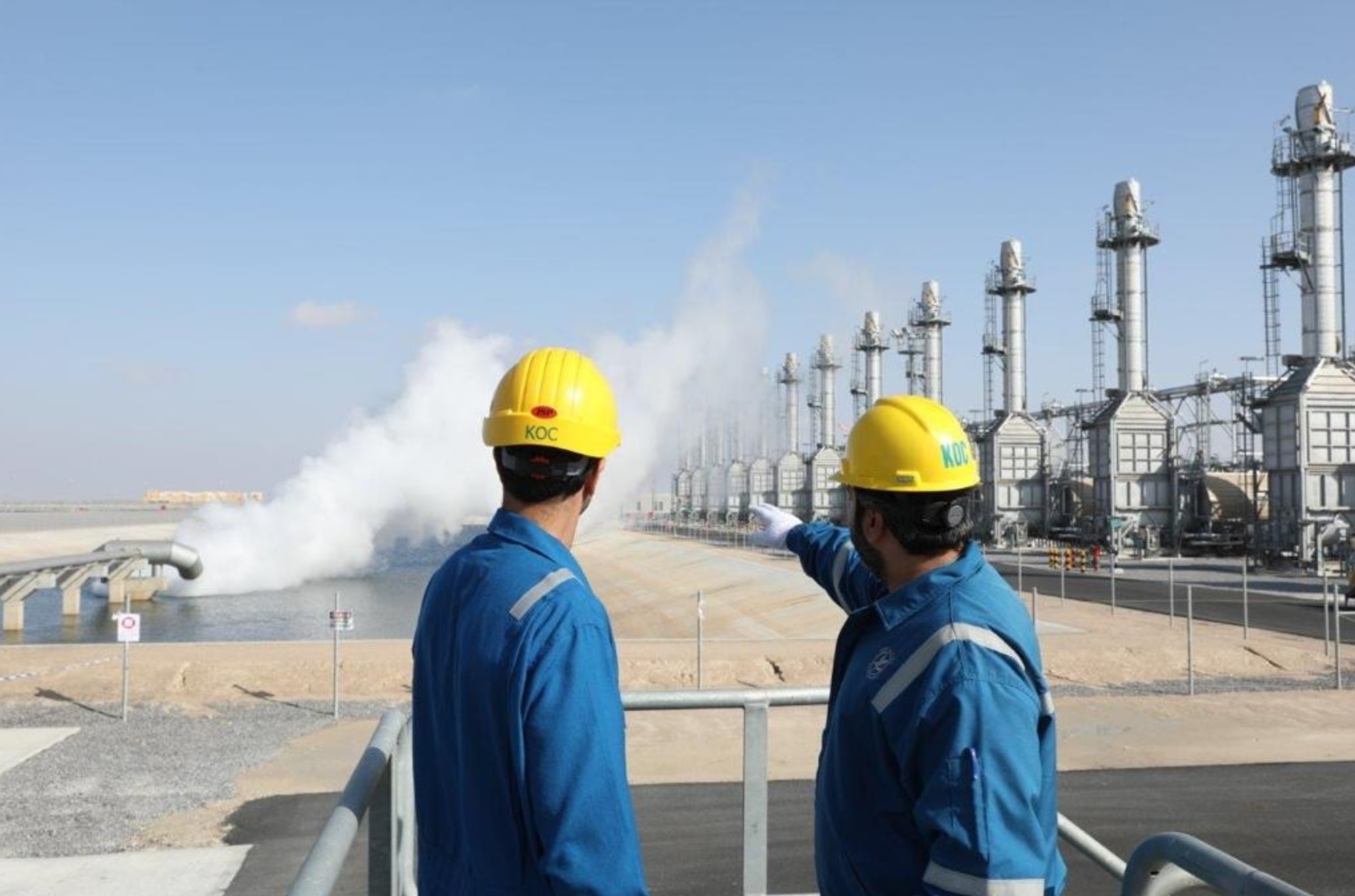
Kuwait Oil Company (KOC) began commercial heavy oil production in 2020, aiming for 4 million bpd total by 2040, with heavy oil as a cornerstone. Kuwait targets 60,000 bpd from the Lower Fars reservoir in Ratqa field via cyclic steam stimulation (CSS) and steam-assisted gravity drainage (SAGD).
Petroleum Development Oman (PDO) leads in the nation with fields like Amal, Marmul, Qarn Alam, and Harweel. Qarn Alam is renowned for large-scale SAGD, producing significant heavy oil volumes through thermal EOR.
GERI: What are some of the traits unique to Middle Eastern oil companies that differ from their global peers?
Amr: The fact much of the Middle East is ruled by monarchs is one of the biggest differences. State-owned companies sets them apart; ensuring a stable, state-backed investment climate with growing attention to GHG reduction and EOR. This contrasts with the volatile, privatized markets elsewhere. While the Middle East enjoys financial stability, the region faces geopolitical pressures.
Unlike North America’s unconventional shale or Europe’s diversified energy mix, the region is blessed with massive, easy-access fields with low-cost conventional reserves, and a focus on export rather than domestic consumption. However, due to extraction complexities, not all Middle East nations are producing at their full capacity.
GERI: What are some of the targets for Net Zero compliance in the region?
Amr: The regions’ reputation for producing oil can conjure false assumptions that climate action isn’t a priority in the Middle East. But the truth is that a veritable Net Zero ‘race’ has emerged with these oil giants. The result has led to economic diversification to attract investments that are green or clean.
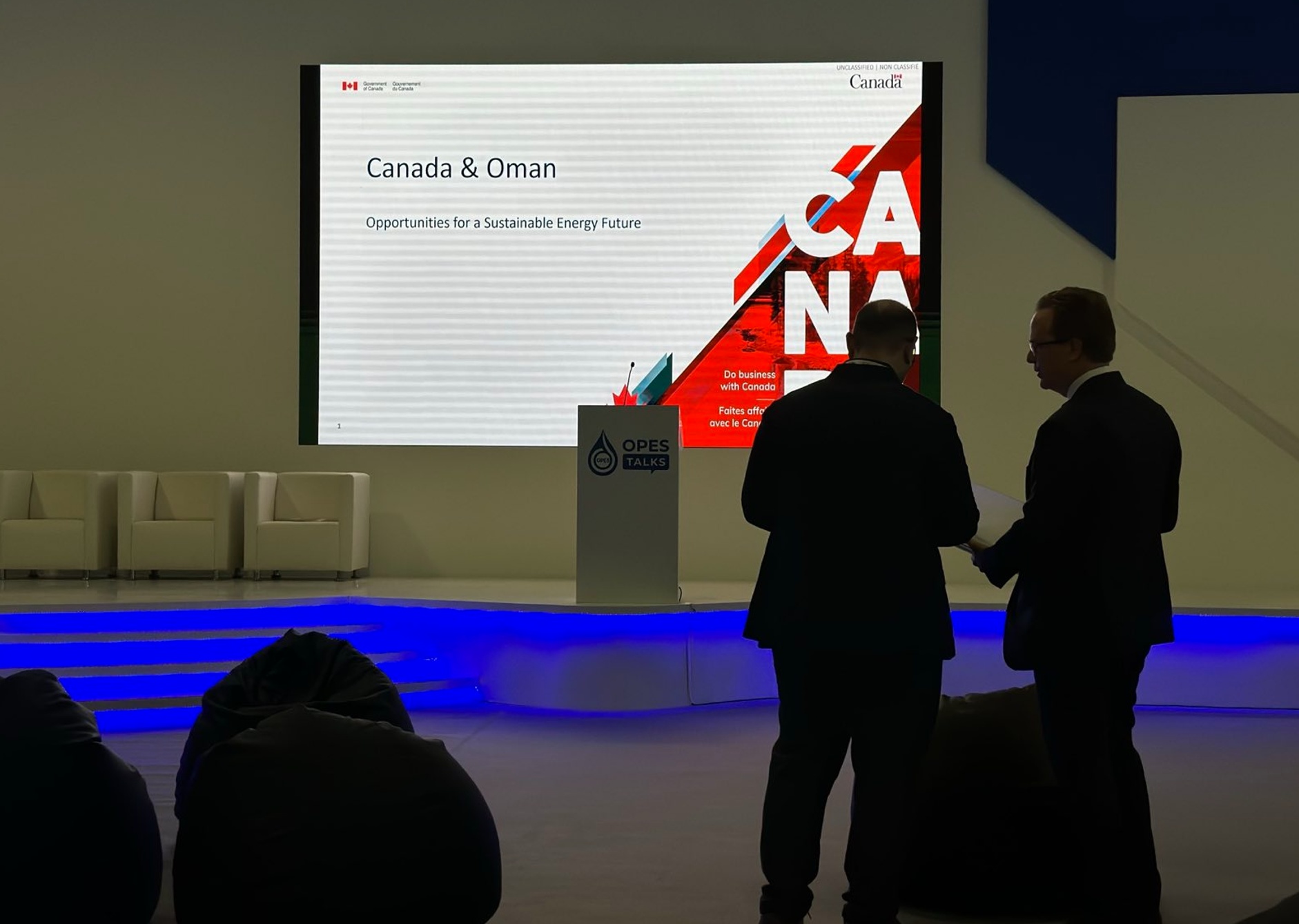
Oman set 2050 as its Net Zero deadline. The pathway there is opportunity for Oman to “create economic value, increase industrial competitiveness and attract investments to help diversify and strengthen the country’s economy.”
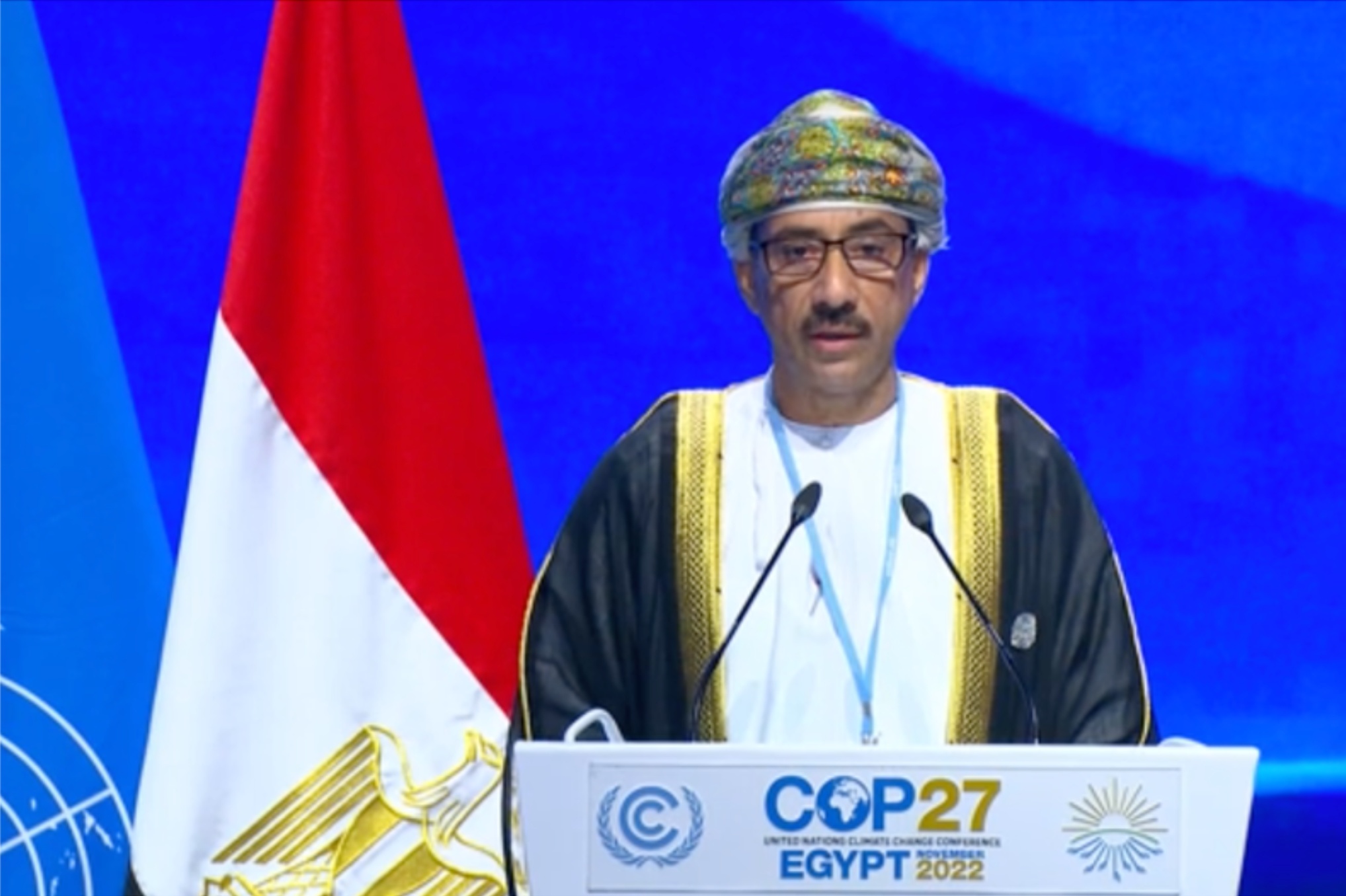
Kuwait aims for carbon neutrality in oil and gas by 2050 and nationally by 2060, including 50% solar electricity by 2050 and 80% GHG cuts by 2040.
These commitments signal a shift to sustainable models, surprising critics who overlook the region’s green hydrogen and renewables push.
GERI: What are some of the strategies the Middle East is using to achieve Net Zero in heavy oil operations?
Amr: Companies are testing new technologies, setting annual goals, and publishing progress to avow they are striving to meet their targets.
In addition to solar projects powering operations and reducing emissions, companies are decarbonizing steam generation for heavy oil EOR, with plans for the efficient use of gas-fired boilers to reduce their footprint.
Saudi Arabia has a Net Tero target of 2060 (Scope 1 & 2) and is piloting a direct air capture (DAC) project with Siemens Energy. Launched in the spring of 2025, it has the potential to remove 12 tons of carbon dioxide (CO₂) a year. Aramco, which has a Net Zero target of 2050, is also partnering with SLB/Linde on a carbon capture and storage (CCS) hub in Jubail. The project expects to capture 9 million tons of CO₂ a year by 2027.
Kuwait Petroleum Corporation (KPC) has invested $110 billion in energy transitions, including LNG substitution and green hydrogen. KOC plans 26 million tons of CO₂ capture annually by 2050, and the elimination of routine flaring by 2030.
Companies publish annual sustainability reports, which foster both transparency and collaboration.
GERI: What type of challenges has the Middle East faced along the road to Net Zero?
Amr: There have been many hurdles with implementation.
Oman’s energy sector expects to yield 7.4% cuts by 2030 through renewables/efficiency. That’s far short of its needs, as per their National Strategy. Gaps in emissions of 10% by 2050 haven’t been addressed. More needs to be done upstream and downstream to decarbonize. Carbon capture, utilization, and storage (CCUS) for EOR could increase total emissions with efficiency gains.
Access to CCUS, hydrogen, and financing is limited in Kuwait. Technology constraints are stretching timelines.
Across the region, balancing output growth (like Kuwait’s goal by 2035 of 4 million bpd) with emissions cuts—amid geopolitical and financial barriers—tests feasibility.
GERI: Are there some tangible progress results you can share and what is the outlook of Net Zero in the Middle East?
Amr: Results are materializing. Aramco started shipping verified low-carbon oil. Kuwait reduced flaring below 1% since 2020 (from 17% in 2005). And in Oman, PDO’s Miraah has cut 300,000 tons of CO₂ a year.
The Middle East isn’t just sustaining oil, it’s redefining sustainable energy. Expect to see CCUS scaling, the implementation of solar for powering steam in EOR, and low-carbon exports. For the oil industry, this push to Net Zero offers opportunities for collaboration—merging heavy oil expertise with clean tech.
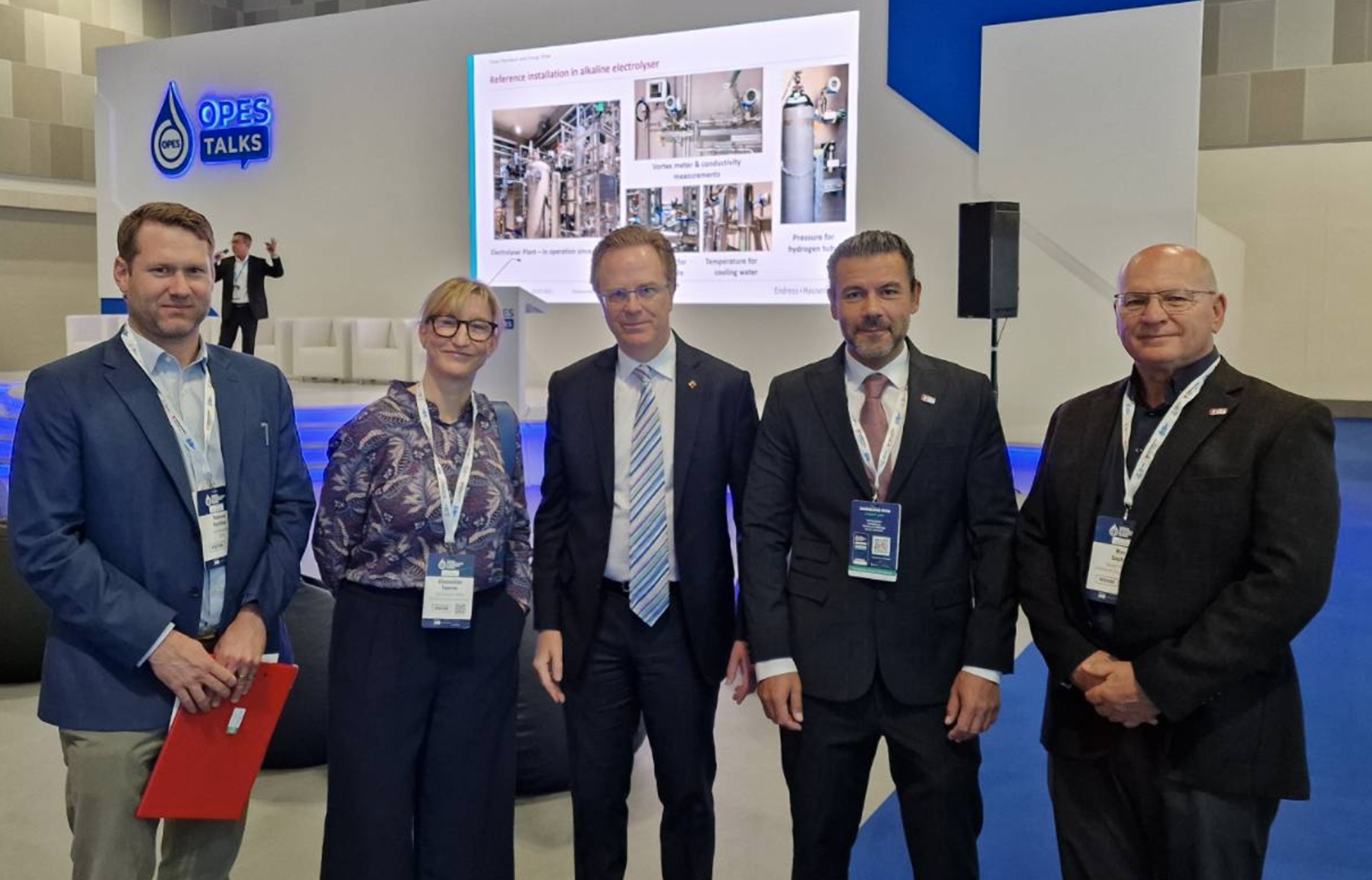
GERI: Shukran Amr for sharing these unexpected insights.
Amr and the GERI team will be attending the Kuwait Oil and Gas Show from 3-5 February 2026 in Kuwait City. If you’d like to connect with us, please contact Amr at ahassan@geri.com