
Direct Contact Steam Generation
01
How It Works
Process, EOR Mechanisms, and Surface Equipment
Simultaneous Steam and Flue Gas Injection
GERI’s DCSG Co-Injector combusts pressurized air and natural gas in direct contact with water, creating a combined product of high-pressure steam (or hot water) and flue gas (mainly CO2 and N2), which are then co-injected downhole.
DCSG Block Flow
Steam mode (Maximums)
Hot water Mode (Maximums)
Multiple Sub-Surface EOR Mechanisms
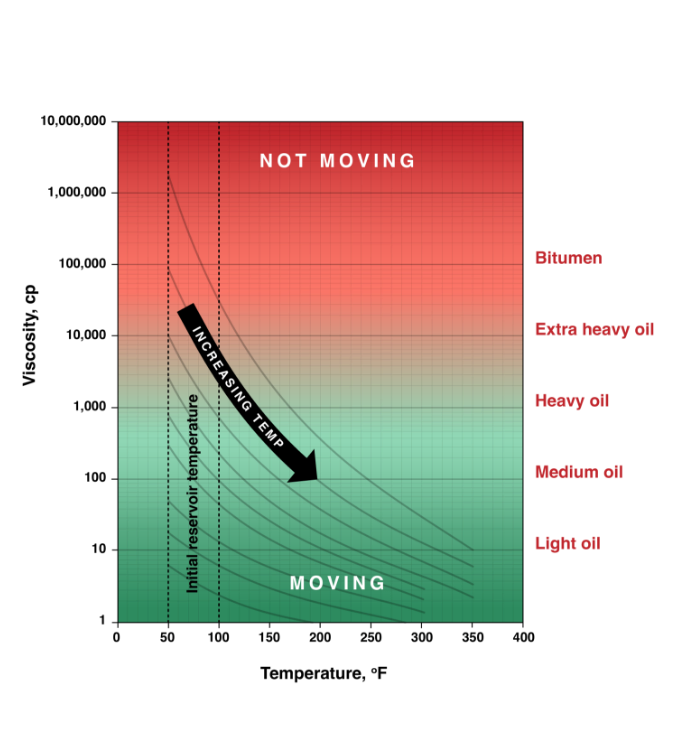
- Reducing oil viscosity by adding heat
- Charging and/or maintaining pressure in reservoir by injecting non-condensable gas
- Reducing heat loss to the overburden by creating an insulating blanket of non-condensable flue gas at the top of the reservoir
- Slightly reducing viscosity and swelling the oil by dissolving CO2 (in colder oil)
- Improving sweep efficiency with simultaneous gas override and water underride sweep (not applicable in steam assisted gravity drainage (SAGD)
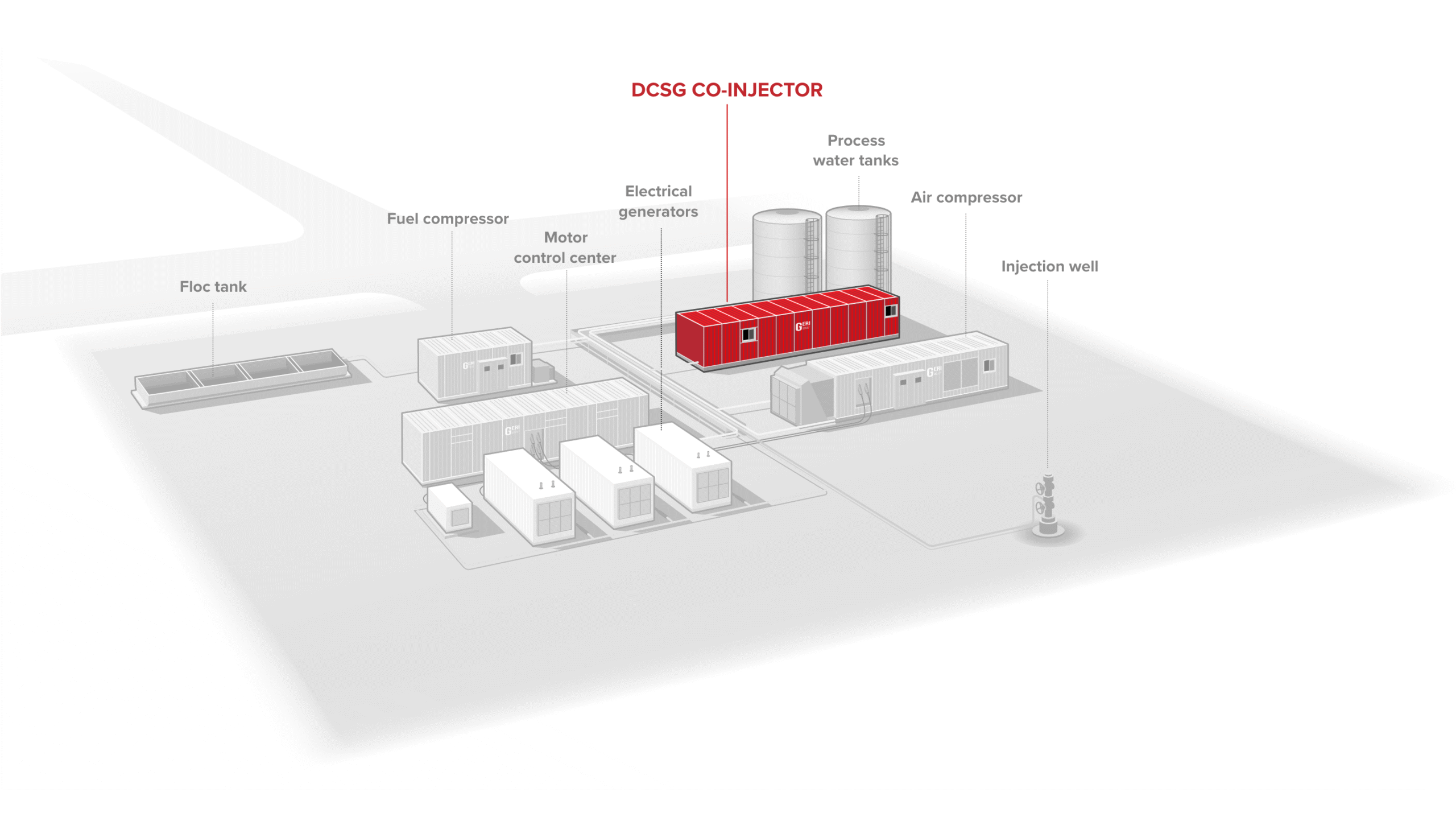
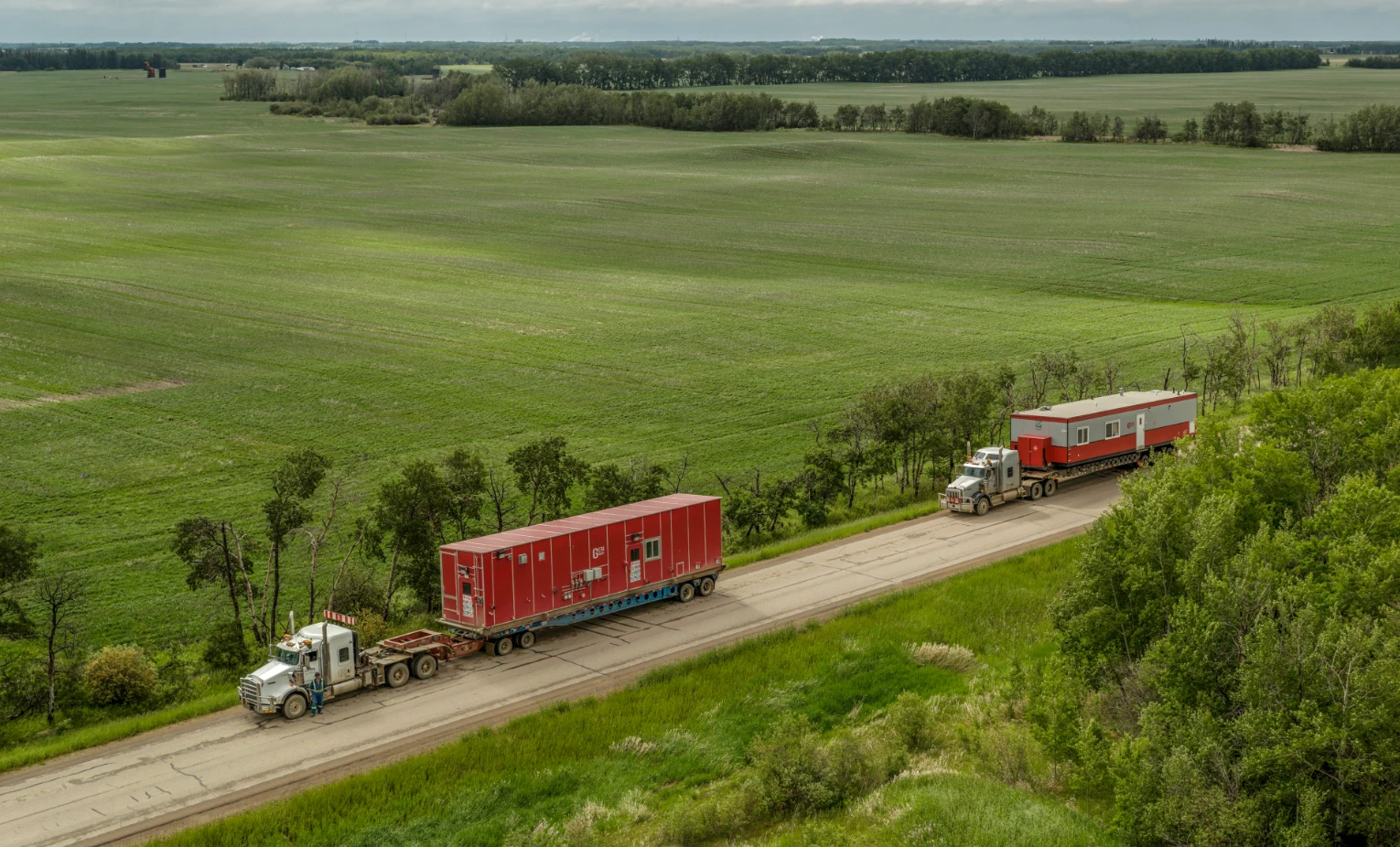
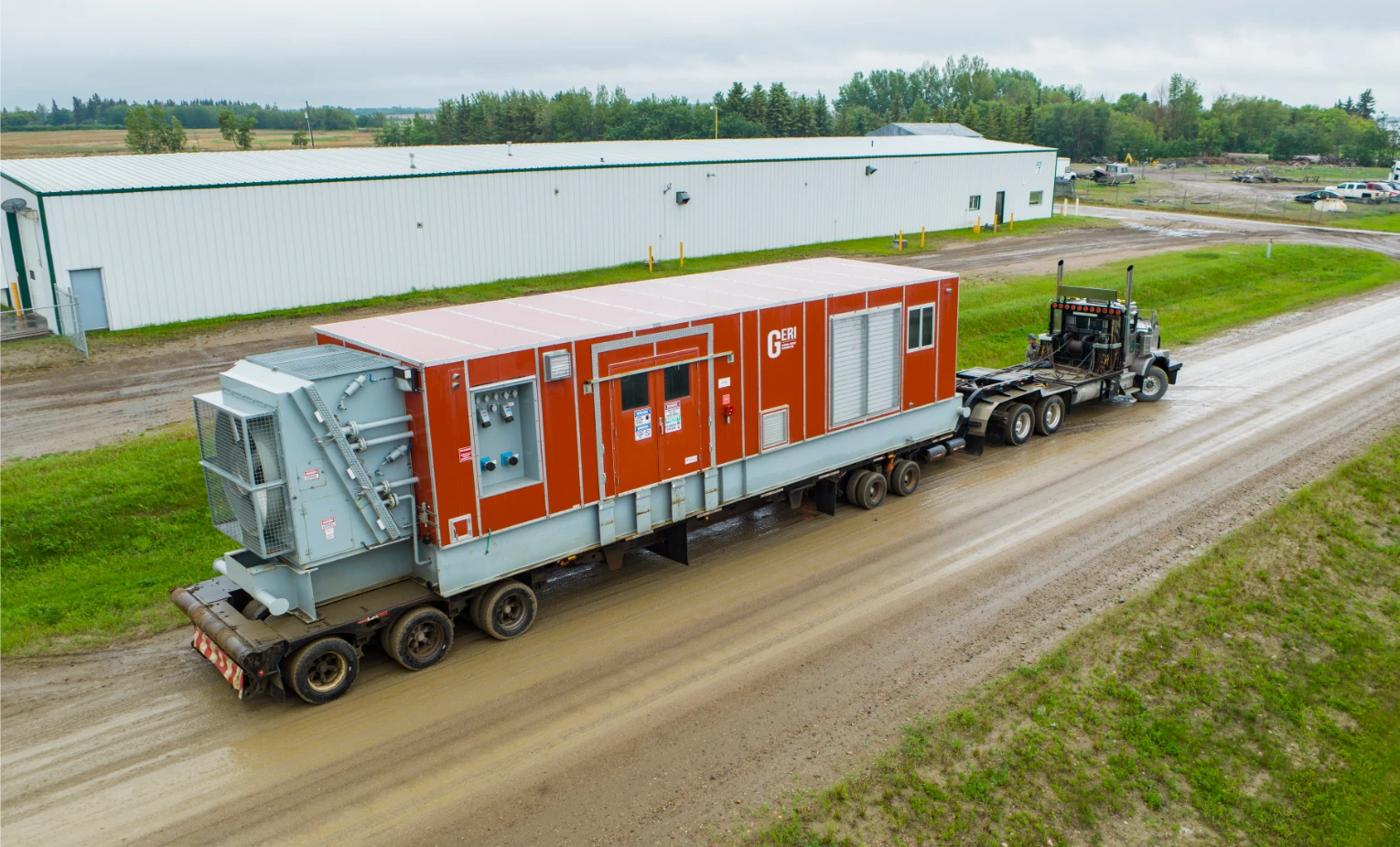
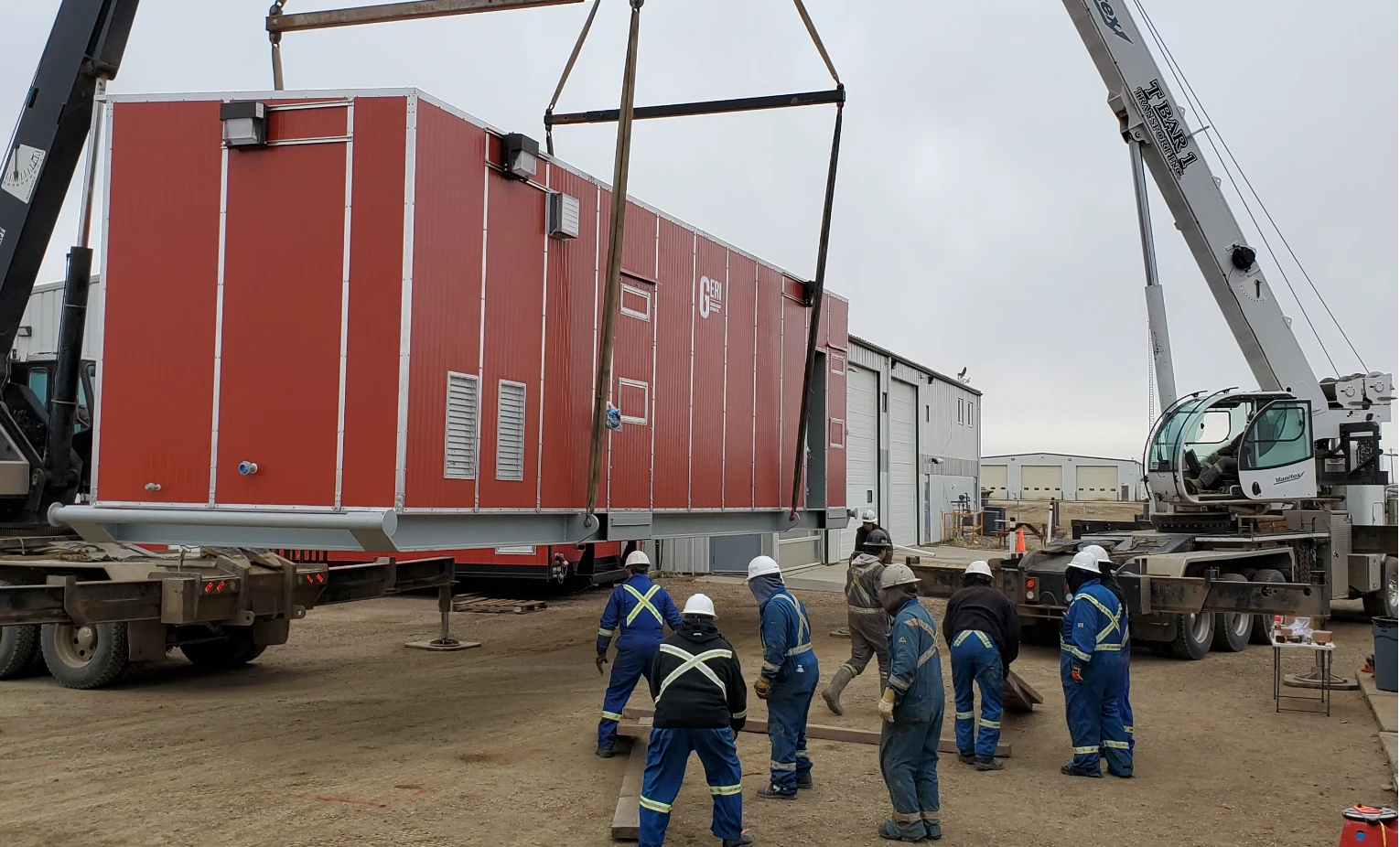
Portable and Modular Surface Equipment
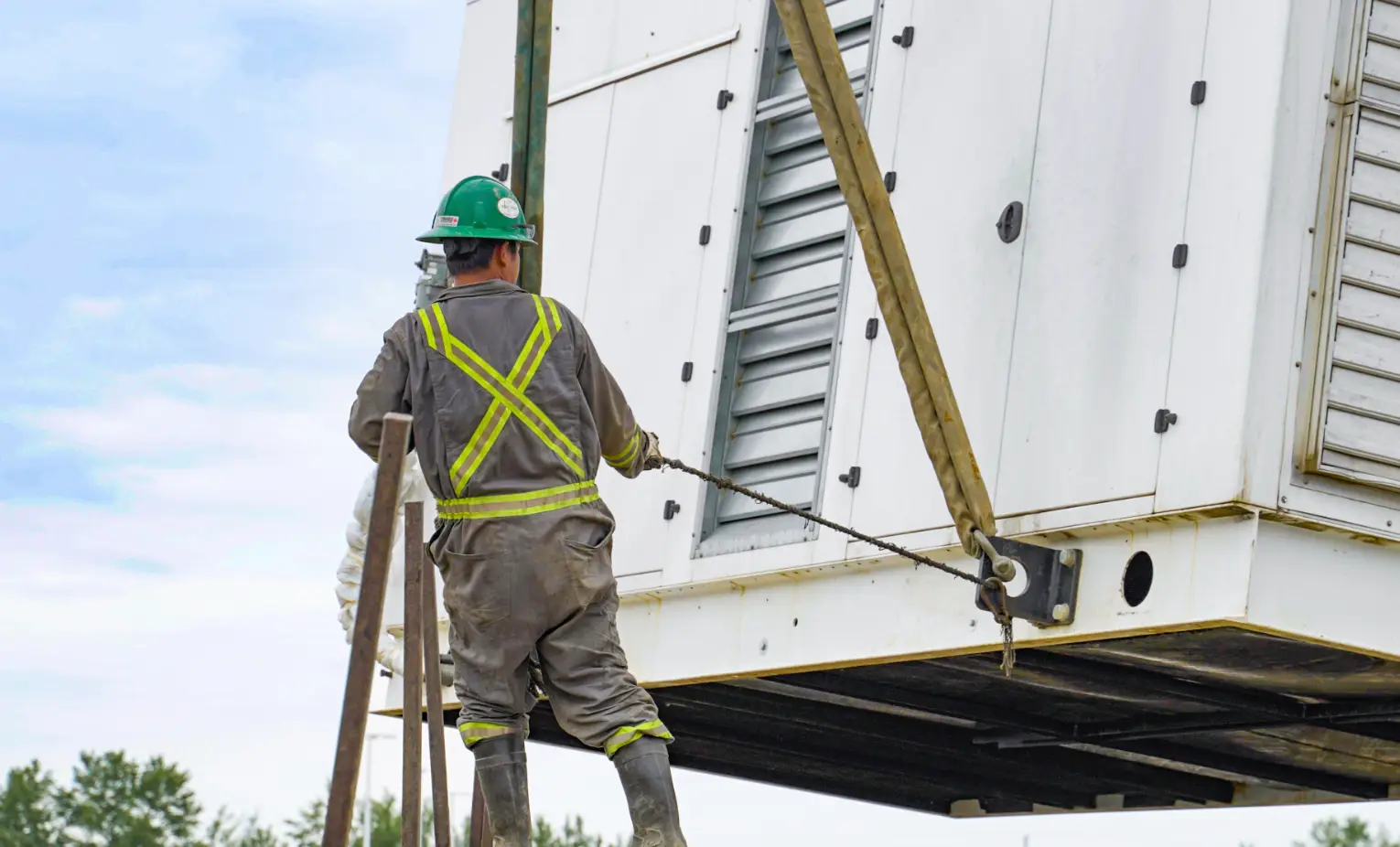
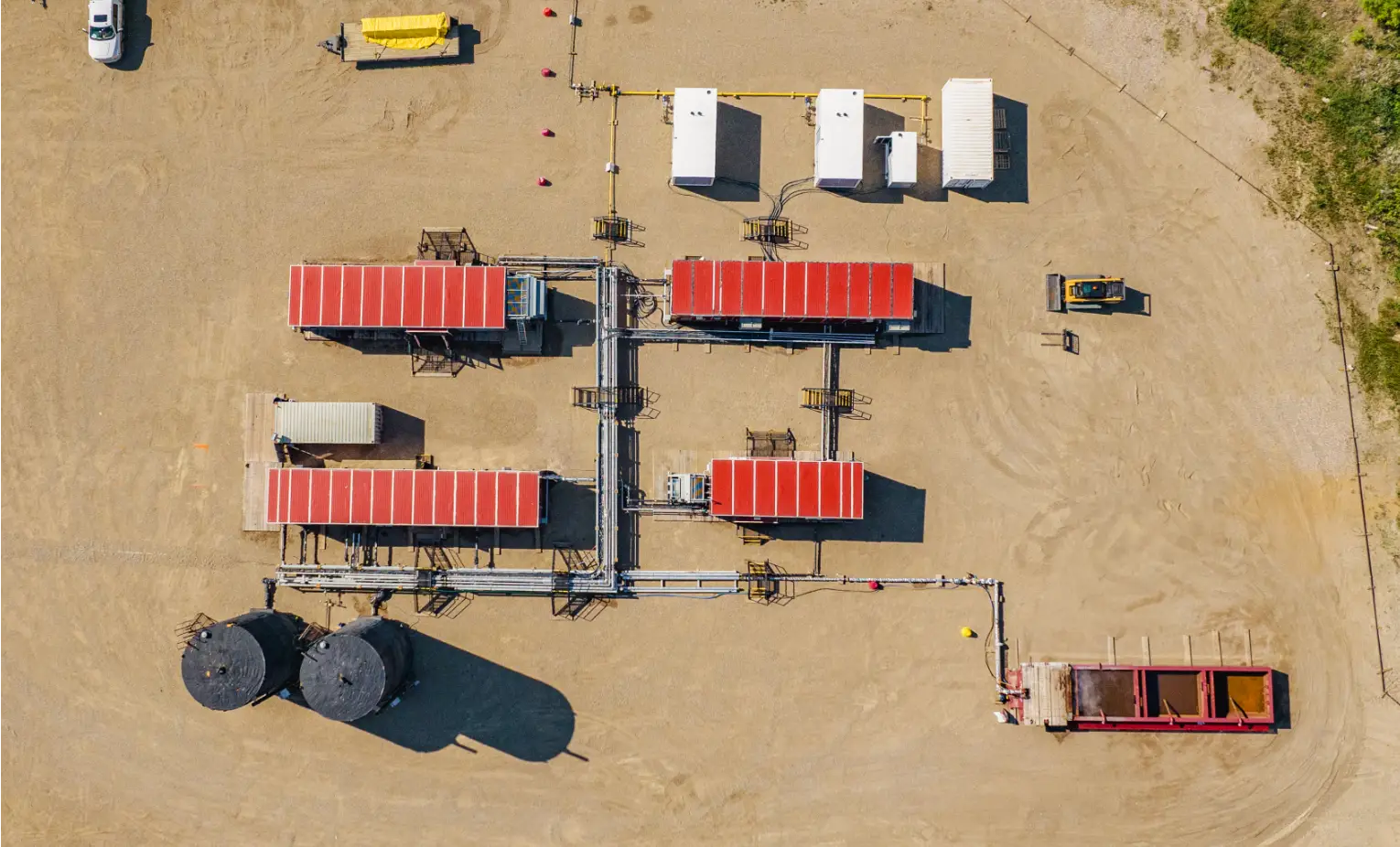
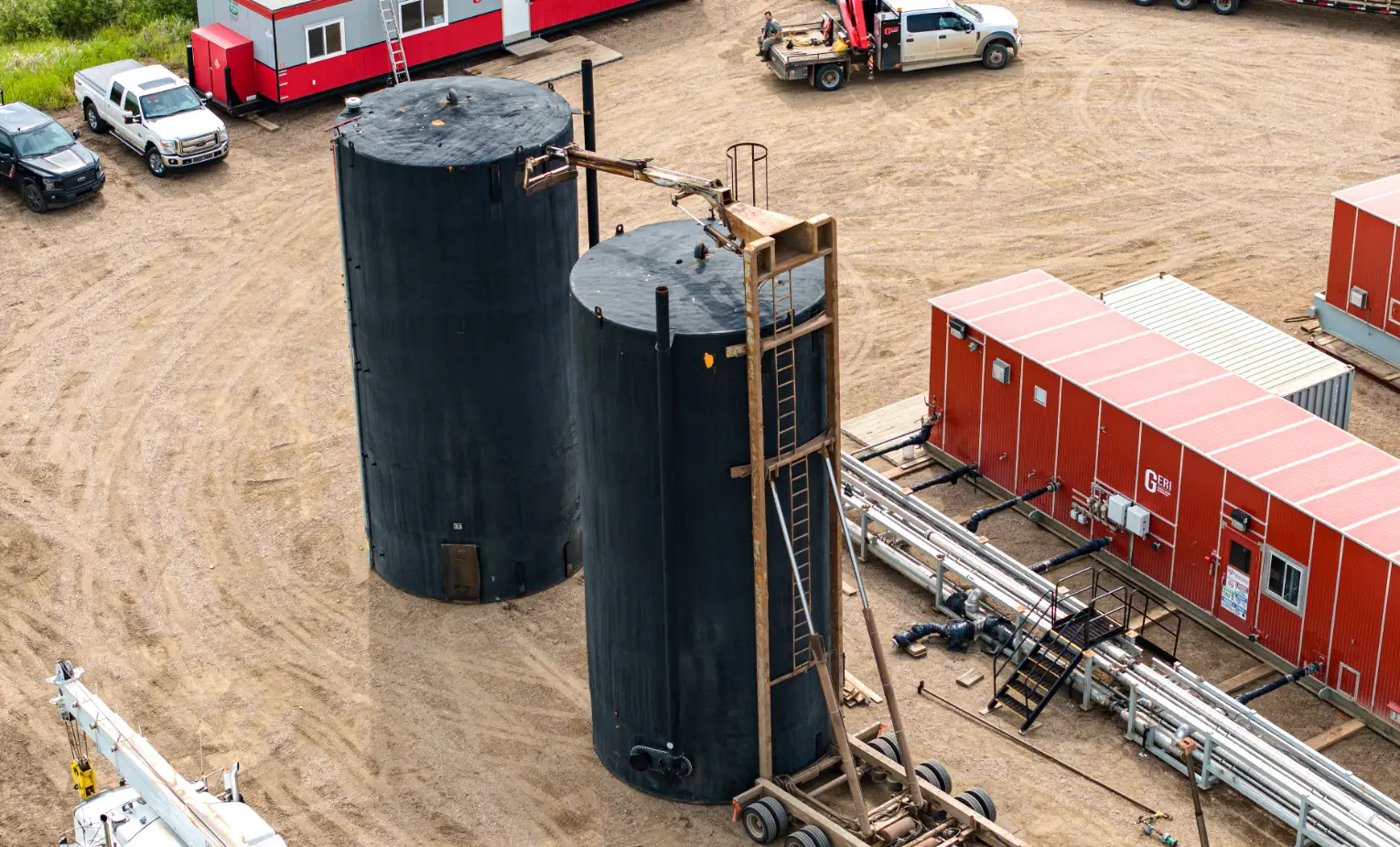
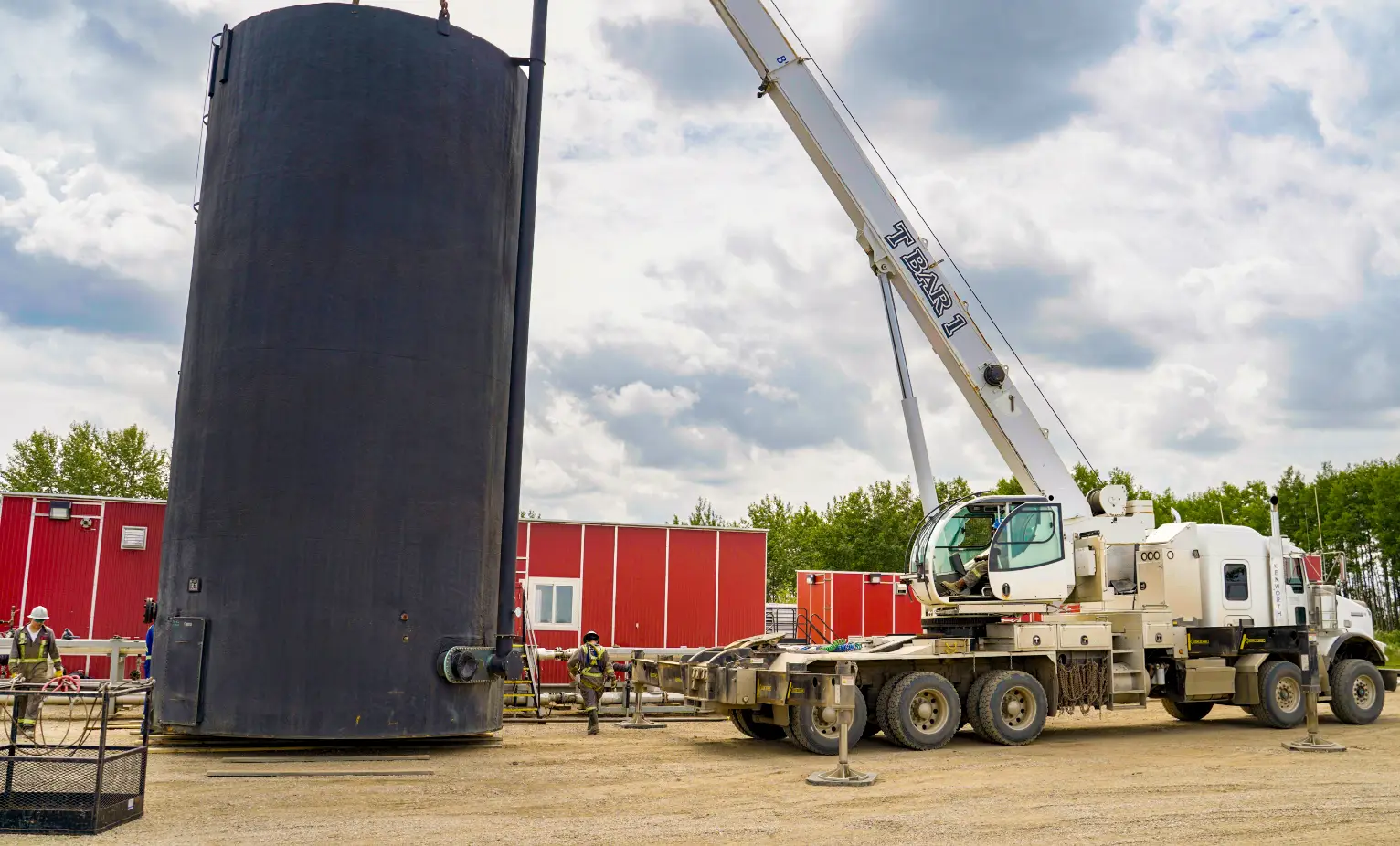
GERI’s portable DCSG Co-Injector is supported by GERI-owned process modules (air and fuel compressors, electrical generators, tanks). These are supplied by GERI but, alternatively, air and fuel compression and electrical requirements can be provided by the customer if preferred.
The DCSG equipment takes approximately a week to set up and only a few days to rig out, depending on site-specific factors.
Water Treatment Unit
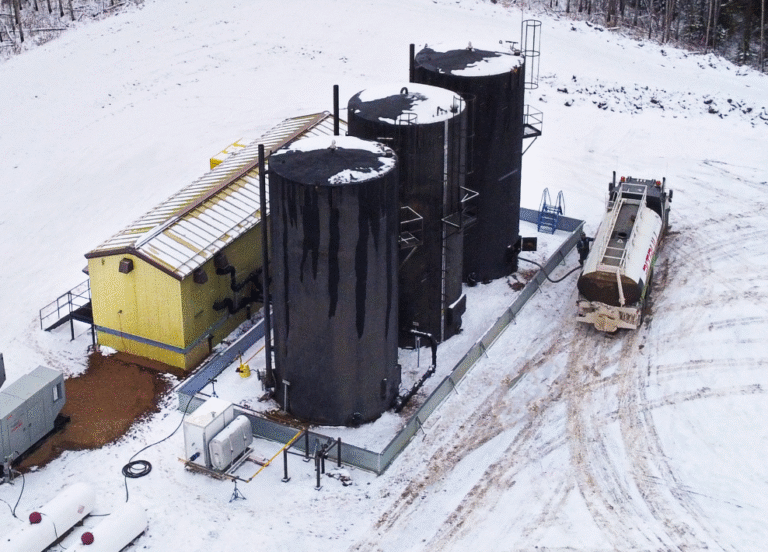
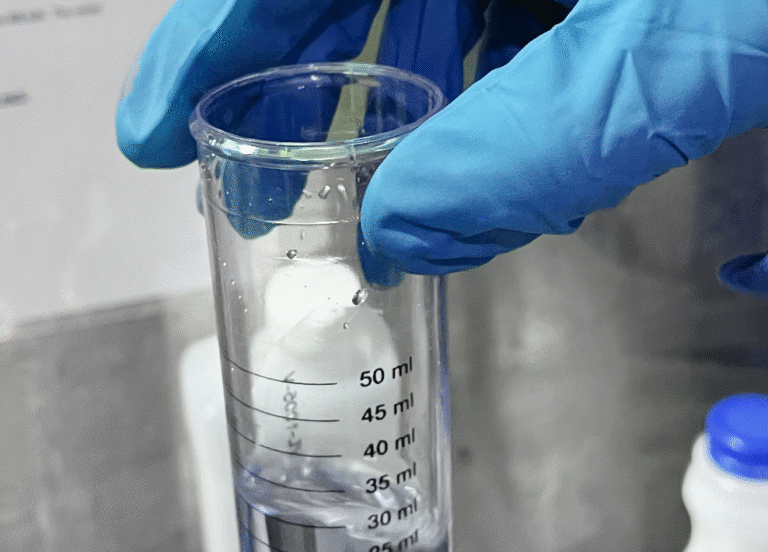
GERI owns and operates an ion exchange water-softening and chemical injection plant. Using fresh water, it’s capable of producing ample boiler quality water for our DCSG co-injector, reducing costs, simplifying logistics, and broadening our operational range. We offer our Water Treatment Unit to provide boiler quality water as an additional service, if required.
Pilot Results
GERI has been on a multi-year journey from bench-scale development to a working commercial model. Below are average results from GERI’s projects on our own wells and for customers.

Lloydminster West Project
GERI injected at a nominal heat rate of 8 GJ/hr for 20 days with only 9% downtime for a cumulative steam volume of 1,470 m3
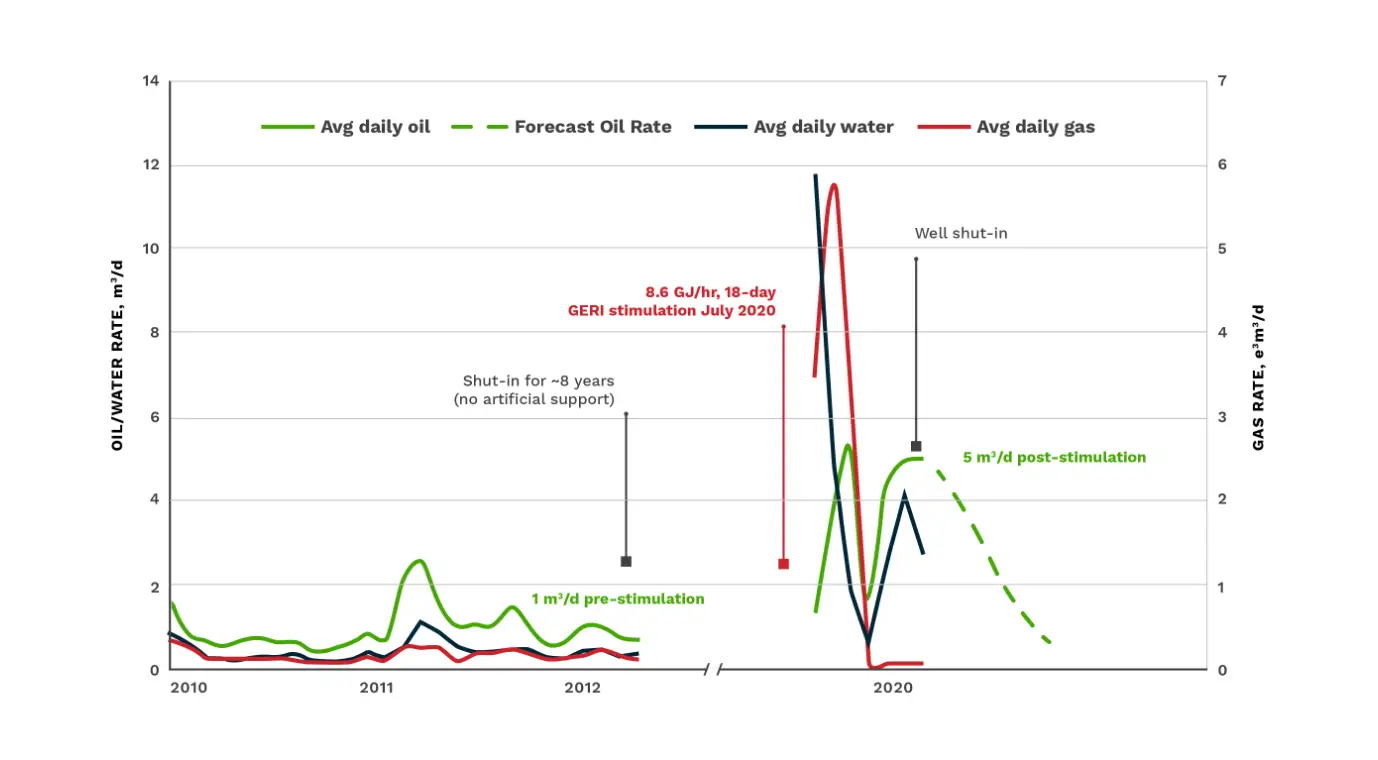
(at ~80% quality). The well was put on production and produced for approximately six months before being shut in. The cumulative
oil produced (including incremental oil from offset producers) was 908 m3, meaning this project achieved a cumulative steam-to-oil ratio (SOR) of 1.6.
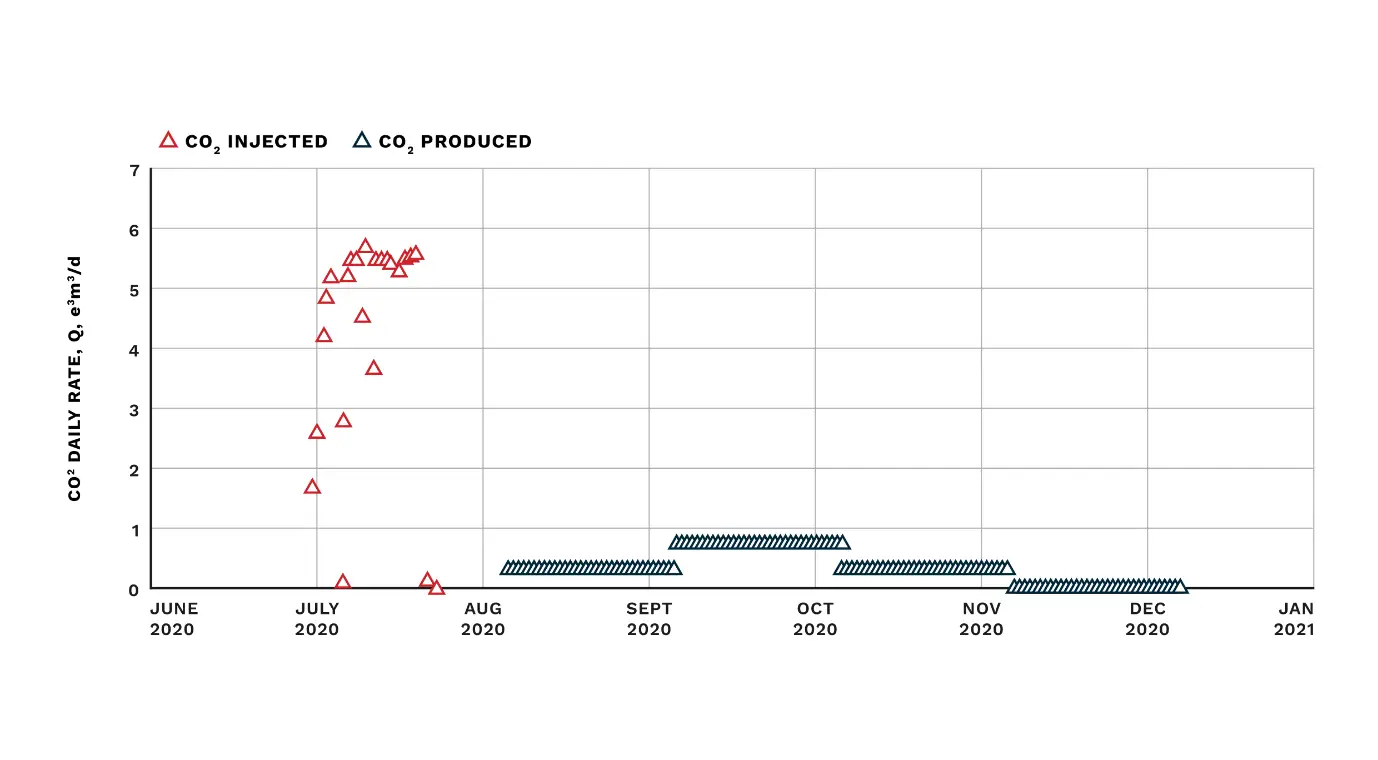
The cumulative CO2 volume injected was 96 e3m3, and 43 e3m3 was produced, meaning 55% of the CO2 coming from steam generation was retained in the reservoir.
Dulwich Well
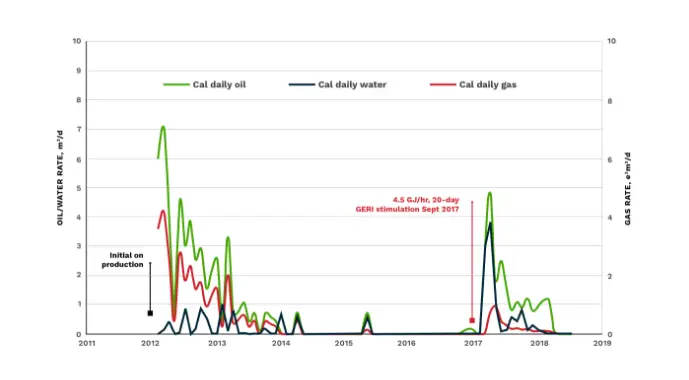
The project well was initially put on production in 2012 and eventually suspended in 2014 due to a decline in oil production (primarily as a result of the reservoir depleting), rendering the well uneconomic. Less than 1% of the original oil in place was recovered during this initial (primary) production phase due to the high viscosity of heavy oil and the loss of the reservoir’s drive mechanism. In Q3 2017, GERI was moved onto the site to conduct a well stimulation.
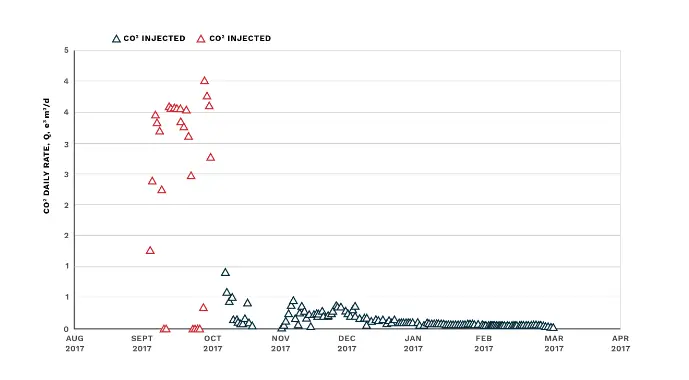
GERI injected at a nominal heat rate of 4.5 GJ/hr for 20 days with only 5% unscheduled downtime, for a cumulative steam
02
Environmental Benefits

GHG Emissions
In thermal heavy-oil recovery, combustion exhaust (flue) gas is emitted to atmosphere when generating high-pressure steam. By contrast, GERI co-injects steam and the associated combustion exhaust gases downhole, mitigating the atmospheric release of greenhouse gases (GHG) and permanently storing some of the CO2 in the reservoir.
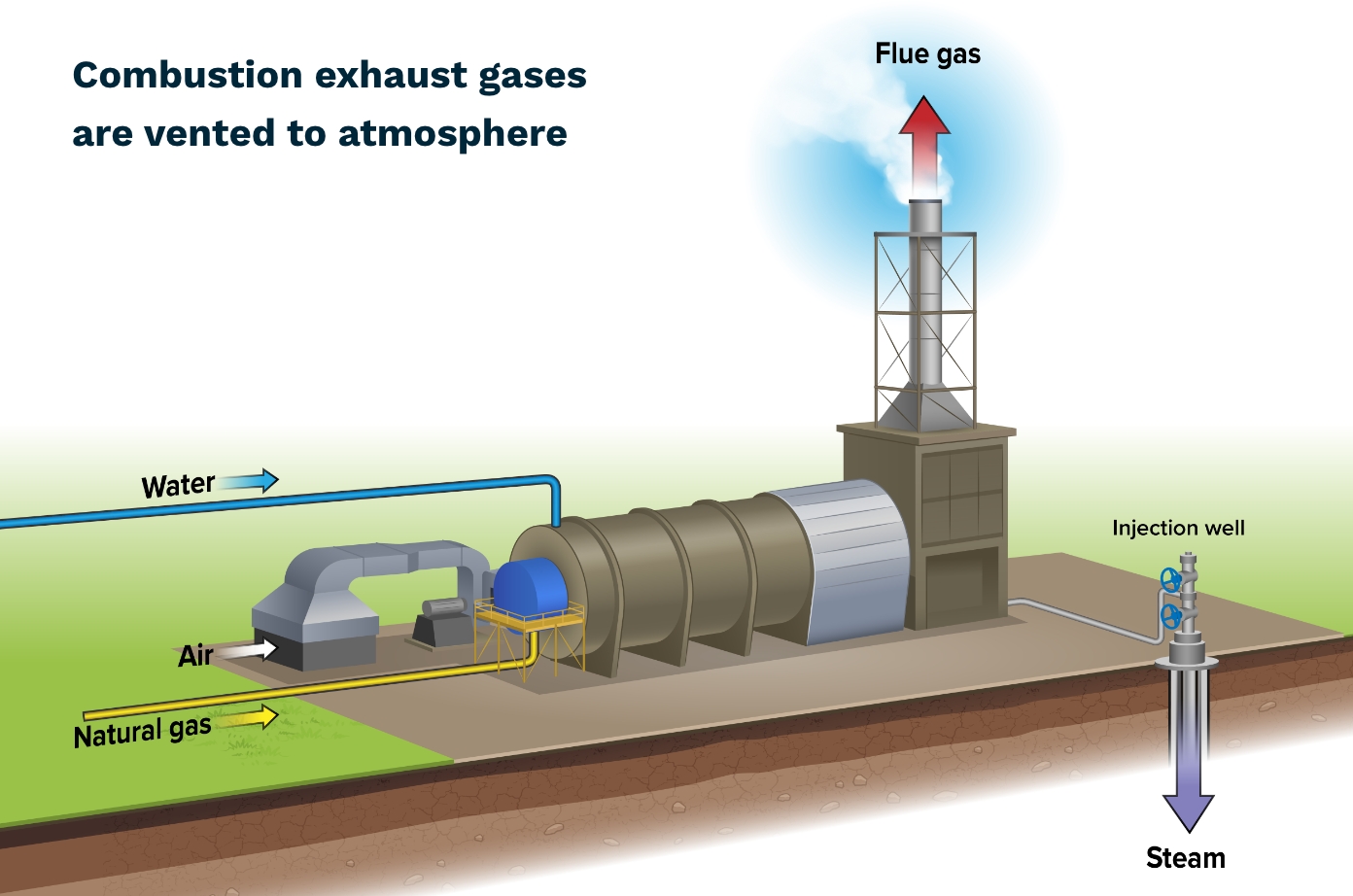
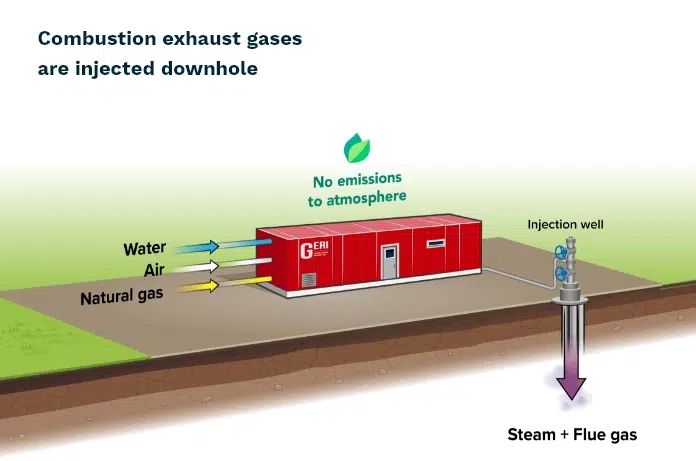

*Per barrel of oil produced. Reservoir and electricity-source dependent. In Cyclic Steam and Flue Gas pilots, up to 70% of CO2 remained underground following an injection and production cycle.
ClimatecheckTM
Brightspot climate
Furthermore, GERI’s measurement program has been validated by an independent energy consultancy, Brightspot Climate, to ensure our GHG emissions and benefits are recognized under Canadian federal and provincial regulations.

Water Usage
Steaming
The DCSG “free water” component:
In GERI’s DCSG, natural gas and air are burned to create high-pressure steam, with all the products of combustion injected downhole. Since water is a natural product of the combustion reaction, our DCSG requires approximately 11% less fresh-water input compared to conventional steaming technologies (for the same steam output).
Reducing water usage through improved steam-oil ratio (SOR):
With DCSG technology, the added benefits of co-injecting steam with flue gas (e.g. pressurization from non-condensable flue gases) results in a lower SOR. The lower the SOR, the less water is required to produce oil. The average SOR for Alberta thermal in-situ (CSS and SAGD) projects generally ranges from 2 to 5. By contrast, GERI’s DCSG pilot projects have resulted in a SOR as low as 1.6.

Hot produced water
Eliminating fresh water usage:
When producing hot water (and flue gases), our DCSG Co-Injector can use high total dissolved solids (TDS) reservoir water as a feed-stock, which is an ideal thermal solution for reservoirs containing fresh water sensitive clays and/or in areas with fresh water constraints. By using produced water, we remove the need to draw on additional water sources, and can save produced water disposal costs.
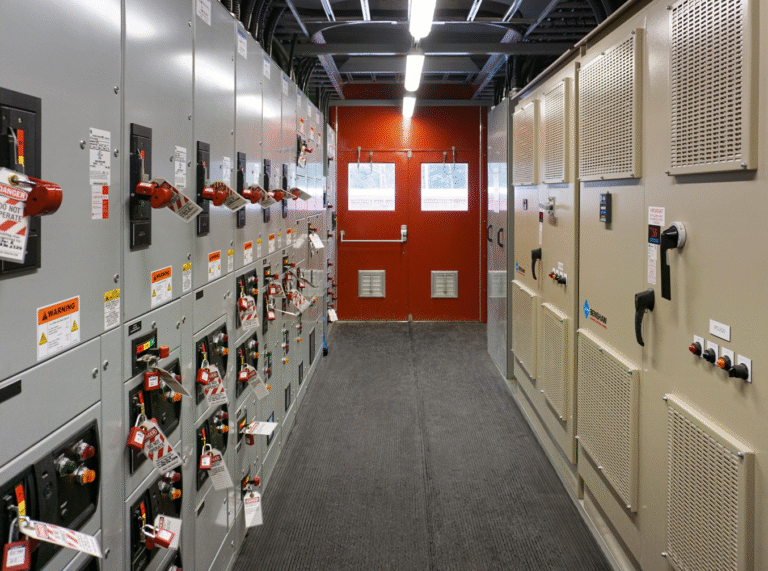
Inside our portable Motor Control Centre (MCC)

Electricity
A large portion of GERI’s DCSG co-injector power requirements are for air and fuel compression. Our compressors are electrically driven with electricity usually supplied with our own portable generators, a design consideration which allows us to connect to grid power if available. If zero-carbon electricity (e.g. solar, wind, or nuclear) is used, GERI’s DCSG technology can recover oil at a carbon intensity of up to 90% less than conventional thermal.*
*Largely depending on how much CO2 remains stored underground
03
Frequently Asked Questions
Operational
Can you steam down wells with non-thermal casing and cement?
What are your maximum and minimum injection rates?
What quantity of fuel gas and water are required?
What kind of water quality is required when generating steam or hot produced water?
Can the flue gas be separated from the hot water or steam?
What about corrosion issues?
Is the equipment portable?
What equipment does GERI supply?
How long does it take for GERI to set-up and to rig-out?
What type of projects have you done in the past?
Environmental
In GERI’s process, is there a difference between “flue gas” and “exhaust gas”?
No, we use these terms interchangeably.
How does GERI quantify GHG emissions?
What happens to the CO2 and N2 that comes back to surface during production?
Of the CO2 injected, what percentage is retained in the formation?
Can you use produced water versus fresh water?
more about our solutions.