
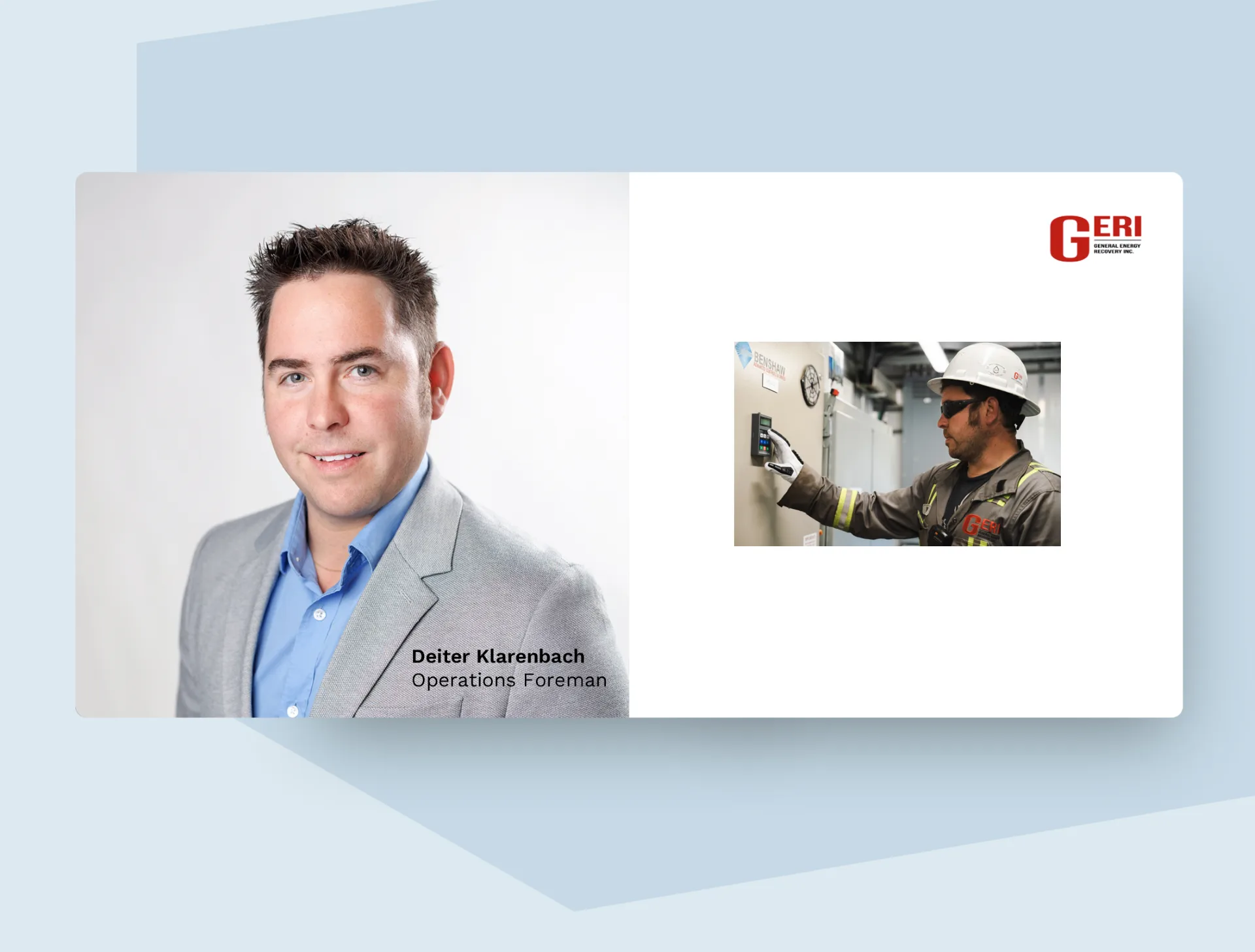
Deiter Klarenbach is GERI’s Operations Foreman working at our Lloydminster office and on client sites when our Direct Contact Steam Generator (DCSG) is deployed.
Deiter began working with GERI in 2017. He holds a Master Electrician certificate and is both our Control Room Operator (CRO) and the tool technician responsible for tool maintenance on the DCSG. He also assists in the preparation of our moves to client sites and oversees the operation once GERI is on site.
GERI:
What does your role as an electrician involve when GERI is on a client’s site?
Deiter:
Our entire site operates on electric power, supported by one essential generator and two process generators, depending on operational needs.
As the team’s licensed electrician, I’m responsible for ensuring that all electrical systems across the site are functioning safely and efficiently.
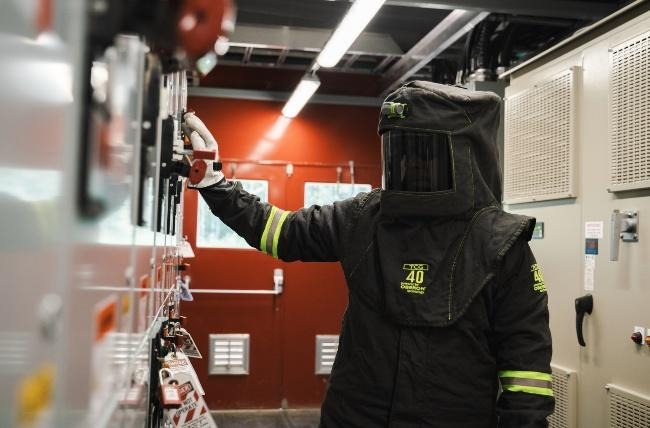
I oversee the operation of our generators, which supply power to every part of the site. My duties include managing and routing power cables to each building and testing them with a meter. I also inspect all motors to confirm they are rotating correctly and ensure that every device on site is powered and operating as intended.
GERI:
You are also the Control Room Operator (CRO), what does that entail?
Deiter:
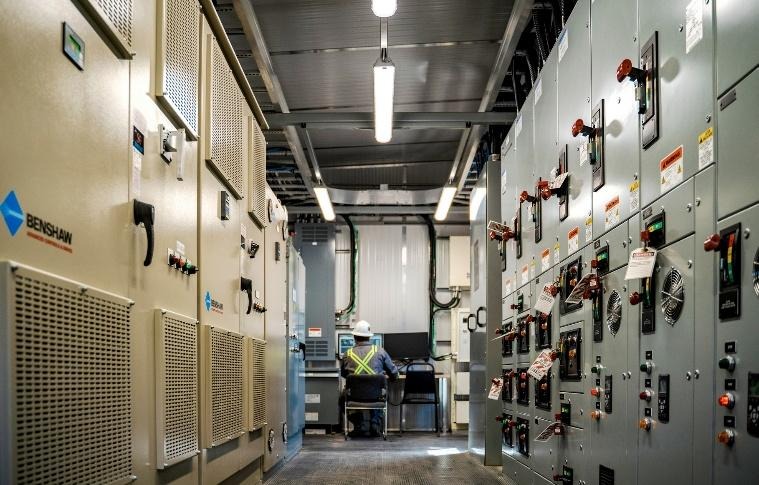
I operate and maintain the plant, which houses the DCSG. After the equipment is installed on site, I manage the DCSG in the field, making any set-up changes as required. I continuously monitor all electrical components, making sure they are energized, functioning properly and contributing to the smooth operation of the plant.
GERI:
What are the first steps before the DCSG can be operational after the plant’s set-up?
Deiter:
The Control Room Operator (CRO) and the Process Control Operator (PCO) start with the energization procedure of the Motor Control Centre (MCC). This entails starting the essential generator, which brings auxiliary power to the buildings. Once the site is energized, I collaborate with GERI’s programmer to commission the site. This involves function testing all control valve safety devices and all motors on site. We make sure everything is in good working order. After the site is fully commissioned, we’re ready to begin the startup procedure.
GERI:
What’s the startup process and how long does it take for GERI to get up to full steam?
Deiter:
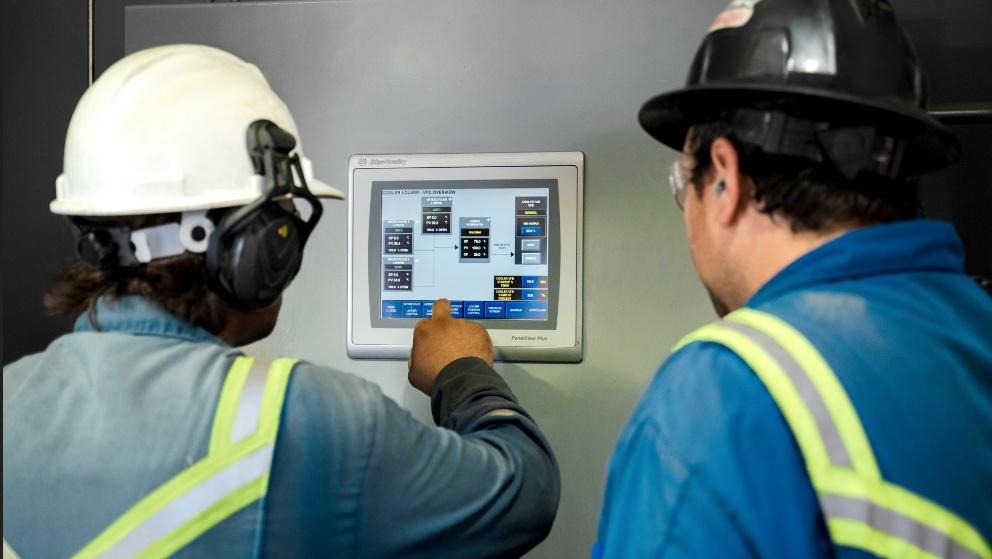
Prior to the startup procedure, I walk through the facility with the Process Control Operator (PCO) and ensure all the valves leading to the well are in the correct position. Once everything has been verified, we can start and load both the air compressor and the fuel compressor, after which we can start bringing flows and pressures to the DCSG. It takes about 30 to 45mins to get up and running.
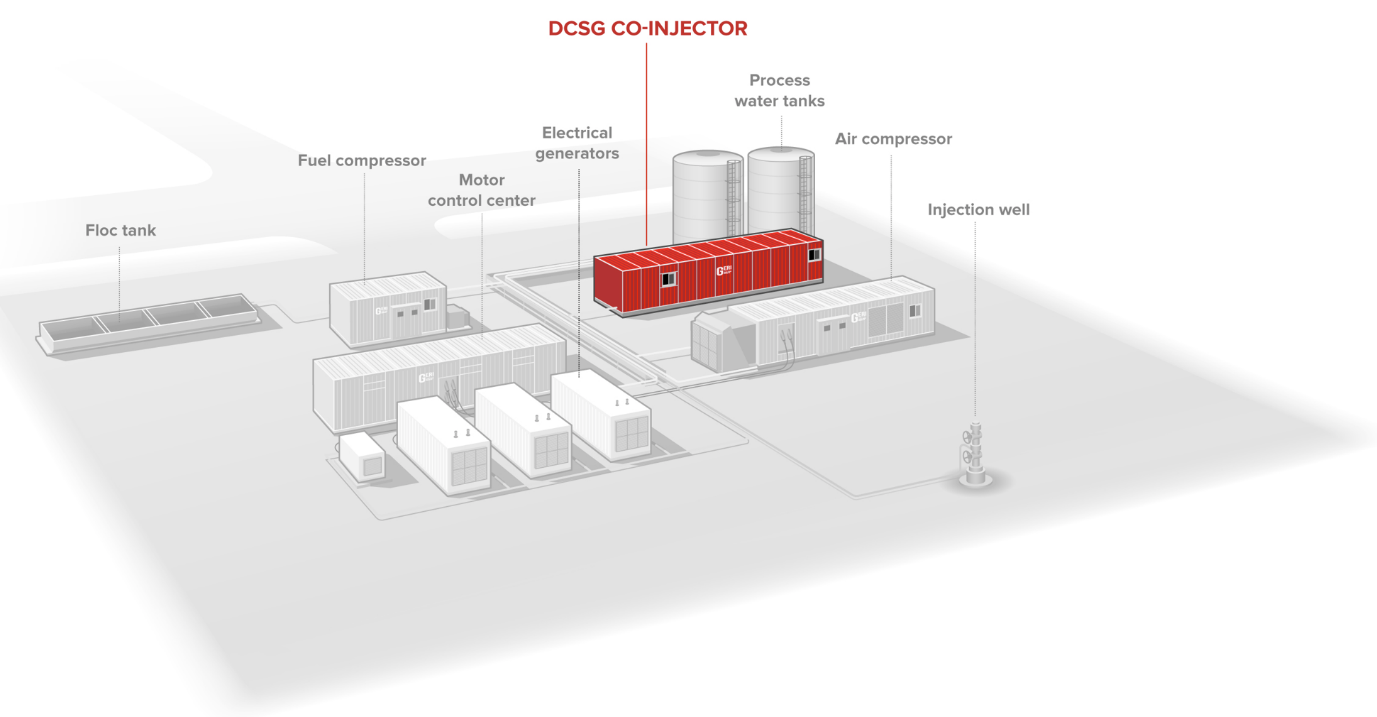
Once flows and pressures are established to the DCSG, I can input the set points and we can begin the sequence to start the DCSG itself: bringing steam and flue gas, flowing first to the flock tank as I’m continually watching my pressures and flows. Only once the optimal pressure and temperature are reached, do we start opening valves to go downhole.
GERI:
Can you explain what your role is in the field once the site is up and running?
Deiter:
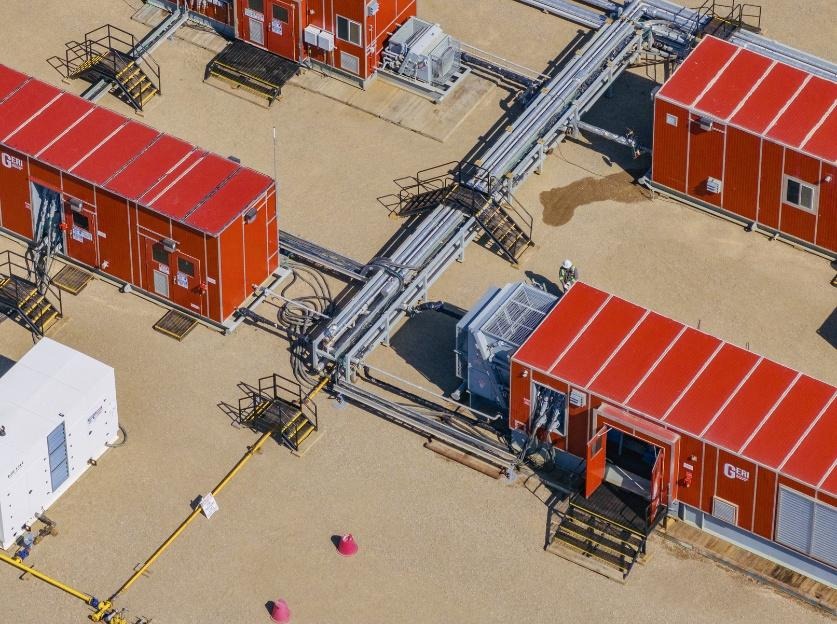
I monitor the fuel and air compressors to make sure all the pressures, flows and temperatures are working properly. I also continue to monitor the DCSG to ensure everything coming in and out of the Co-Injector building passes through the DCSG, keeping hourly logs and making adjustments as required. I track the wellhead pressure temperatures and the water tank volumes too so that we can keep track of our water usage. And I prepare in-house and third-party production reports.
Each well is different. I’ve worked on close to a dozen sites with GERI. We’ve come a long way and the plant is a lot easier to run now. We used to have four or five guys on site but with the efficiencies we’ve implemented, we now only need one CRO and on PCO to operate the site.
GERI: What kind of lessons have you learned?
Deiter:
Each job comes with new challenges. You don’t take one well for grated or treat any two wells the same. You never know how the wells are going to react to steam and flue gas.
You have to stay on task, be focused and prepared to respond accordingly to any changes.
GERI:
And once things are up and running, how much monitoring do they require?
Deiter:
You always want to have your eyes on the pressures and temperatures downhole. I take a log once an hour verifying pressures and temperatures as well as all the equipment on site. We need to pay close attention and be aware of our surroundings. We work cross-shifts, so someone is always on duty to monitor the operations 24/7.